Briefs

Short, sourced updates you can read in two minutes. The news behind the stories.

Land & Water

Microplastics: A Hidden Coastal Threat
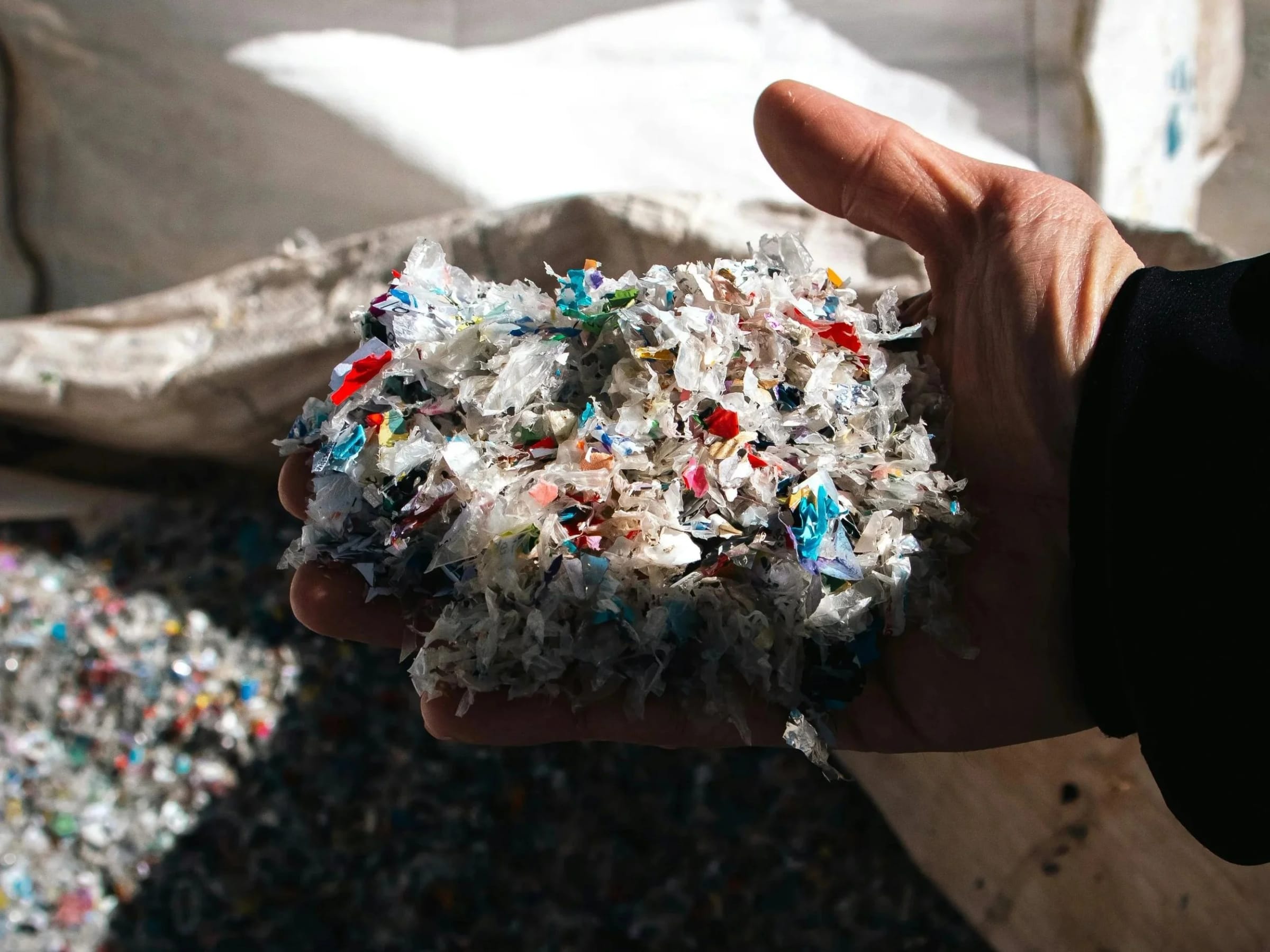
A hand holding a pile of shredded, multicolored plastic

Photo by Fran Zaina

Understanding Microplastics

Microplastics are extremely small pieces of plastic, often no larger than a grain of rice. They form when larger plastic items, such as bottles, packaging, and fishing gear, slowly break down over time. Synthetic clothing fibers and industrial materials also contribute to the problem. Once plastics enter the environment, they degrade slowly, fragmenting into pieces that persist for decades.

How They End Up on Shorelines

Plastics enter the ocean through littering, stormwater runoff, and poorly managed waste systems. Once in the water, waves, sunlight, and friction cause them to fragment into smaller pieces. Ocean currents then carry these particles long distances before depositing them on beaches, where they become mixed into the sand or collect along the tide line.

Effects on Wildlife and People

Microplastics can be harmful to coastal ecosystems. Small animals such as crabs, worms, and shellfish may ingest them by accident, which can lead to digestive problems and exposure to toxic chemicals. These plastics can then move up the food chain as larger animals eat smaller ones. This raises concerns about human exposure through seafood and long-term health effects that are still being studied.

Why Clean Beaches Matter

Beyond environmental damage, microplastics affect the overall quality of beaches. Polluted sand can change natural conditions and reduce the appeal of coastal areas for recreation and tourism, which many communities depend on economically.

What Individuals Can Do

People can help protect beaches by reducing their use of single-use plastics, recycling properly, and choosing reusable alternatives. Joining beach cleanups, supporting conservation efforts, and being mindful of waste habits can make a real difference in keeping shorelines cleaner and healthier.
· Inperil Staff
Land & Water

A Quick Guide to Poisonous Plants in North America

Plants are vital to the ecosystem, but not all greenery is harmless. Poisonous plants have always occupied a curious spot in nature. They can be dangerous, but they also play integral roles in biodiversity. While many assume only exotic plants are harmful, plenty of these toxic species are just around the corner.

Types of Poisonous Plants You Should Know

Here are some common toxic plants to watch out for, categorized by their effects:

Contact Irritation

Poison Ivy: Causes itchy rashes when touched due to urushiol oil.

Poison Oak: Similar to poison ivy, induces skin irritation.

Toxic if Consumed

Nightshade: Can cause nausea, vomiting, and even death if ingested.

Foxglove: May lead to irregular heartbeats due to its impact on cardiac function.

Fatal in Extreme Cases

Water Hemlock: Among the deadliest plants in North America, known for causing seizures.

Oleander: All parts of this plant are highly toxic to both humans and animals.

Use the links above to recognize key characteristics like specific leaf shapes, flower patterns, or milky sap.

Poisonous Plants in the Ecosystem

While these plants can harm humans or animals, they offer ecological benefits like pest control or habitat creation for specific wildlife. Coexisting with these plants requires a cautious yet respectful approach.

Respect Nature’s Warning Signs

Understanding toxic plants ensures a safer interaction between humans and the environment. Share this knowledge with others and help make the outdoors both enjoyable and safe for everyone.

· Inperil Staff
Community

How GIS is Shaping the World

How GIS is Shaping the World

Geographic Information Systems (GIS) is transforming the way we understand and interact with the world. By combining spatial data, mapping, and analysis, GIS provides insights that support decision-making in areas such as urban planning, environmental conservation, and disaster management.

In this brief article, we will explore how GIS is making an impact, its rapid growth, and what the future holds for this groundbreaking field.

GIS in Action Today

GIS has already made waves across various industries. Environmentalists use it to monitor deforestation, track wildlife migrations, and predict the impacts of climate change. Urban planners rely on GIS to design cities and manage traffic flow, while disaster response teams use it to map vulnerable areas and streamline relief efforts.

For example, during the COVID-19 pandemic, GIS helped visualize outbreak patterns, aiding governments in containment strategies.

A Growing Industry

The demand for GIS professionals is skyrocketing. According to research, the GIS market has been valued at USD 16.4 Billion in 2024 and is projected to grow at a compound annual growth rate (CAGR) of 13.07% and reach USD 43.8 Billion by 2031. (VarifiedMarketResearch, Sep 2024)

Increased accessibility to GIS software and the integration of AI and machine learning have made this technology indispensable.

Future of the Field

Looking ahead, GIS will continue to evolve. Innovations like real-time 3D mapping and predictive analytics will refine spatial decision-making. Imagine a world where companies predict natural disasters days in advance or simulate entire cities to test sustainable solutions.

How to Get Started with GIS

Curious to explore GIS? Start by taking free online courses or exploring tools like Esri, QGIS, or ArcGIS. Whether you’re a geographer, data analyst, or enthusiast, GIS offers the opportunity to make a tangible impact on the world.

· Inperil Staff