

Microplastics: A Hidden Coastal Threat
Understanding Microplastics
Microplastics are extremely small pieces of plastic, often no larger than a grain of rice. They form when larger plastic items, such as bottles, packaging, and fishing gear, slowly break down over time. Synthetic clothing fibers and industrial materials also contribute to the problem. Once plastics enter the environment, they degrade slowly, fragmenting into pieces that persist for decades.
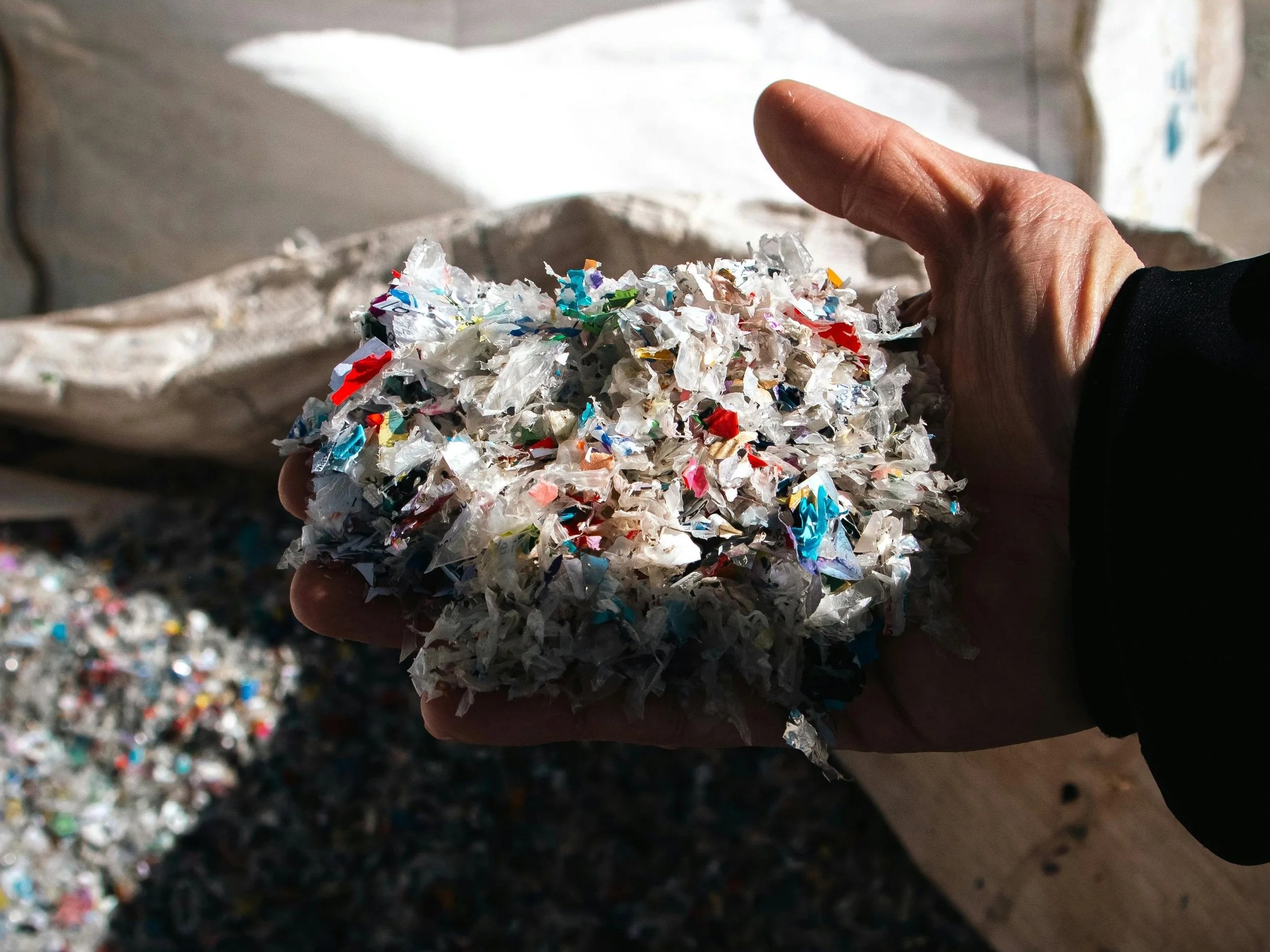
Photo by Fran Zaina
How They End Up on Shorelines
Plastics enter the ocean through littering, stormwater runoff, and poorly managed waste systems. Once in the water, waves, sunlight, and friction cause them to fragment into smaller pieces. Ocean currents then carry these particles long distances before depositing them on beaches, where they become mixed into the sand or collect along the tide line.
Effects on Wildlife and People
Microplastics can be harmful to coastal ecosystems. Small animals such as crabs, worms, and shellfish may ingest them by accident, which can lead to digestive problems and exposure to toxic chemicals. These plastics can then move up the food chain as larger animals eat smaller ones. This raises concerns about human exposure through seafood and long-term health effects that are still being studied.
Why Clean Beaches Matter
Beyond environmental damage, microplastics affect the overall quality of beaches. Polluted sand can change natural conditions and reduce the appeal of coastal areas for recreation and tourism, which many communities depend on economically.
What Individuals Can Do
People can help protect beaches by reducing their use of single-use plastics, recycling properly, and choosing reusable alternatives. Joining beach cleanups, supporting conservation efforts, and being mindful of waste habits can make a real difference in keeping shorelines cleaner and healthier.
